


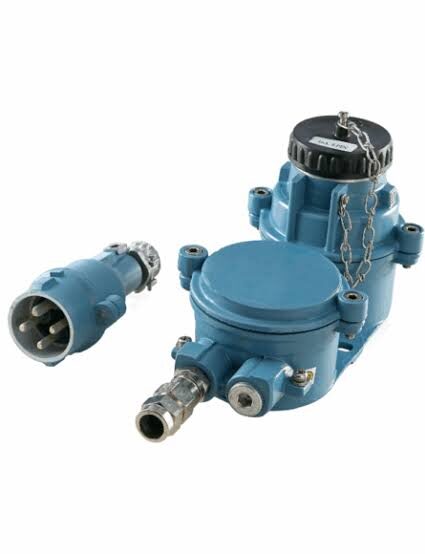
 atex compliance
Picture a control room on a hot afternoon in Ruwais or Jebel Ali. Everything’s humming along fine until a gas sensor spikes, a valve starts weeping, and somewhere nearby a switchgear panel is doing its job of not becoming the reason for a very bad day. That “not becoming the reason” part isn’t luck. It’s engineering. And in most of the world’s serious industrial zones, that engineering has a name attached to it: ATEX compliance.
If you’ve ever sat through a plant safety audit and heard someone rattle off “ATEX” like it’s obvious what that means, but you were quietly Googling it under the table, this guide is for you. We’re going to walk through what ATEX compliance actually involves, why it’s become such a big deal for UAE facilities specifically, and how you actually get there without losing your mind in paperwork.
What Is ATEX Compliance?
ATEX is short for the French phrase “ATmosphères EXplosibles.” It’s a European regulatory framework, originally built for EU member states, that governs how equipment and workplaces should be designed when there’s a real risk of an explosive atmosphere forming: flammable gas, vapour, mist, or combustible dust hanging in the air, just waiting for a spark.
Here’s the interesting part. Even though it’s technically a European rulebook, ATEX has quietly become the reference point that plants across the Gulf, including here in the UAE, reach for when they’re sourcing electrical gear for dangerous zones. It’s less about geography and more about the fact that it’s genuinely one of the most rigorous frameworks out there. When someone says a piece of equipment has ATEX compliance, what they’re really saying is that this thing has been tested, verified, and certified not to be the spark that sets everything off.
Why This Matters So Much in the UAE
The UAE’s industrial backbone- energy, petrochemicals, gas processing, heavy manufacturing- is basically built on hazardous environments. Refineries, storage terminals, processing units- these aren’t places where you can afford to guess whether a junction box is “probably fine.” Insurers know this. Regulators know this. And increasingly, plant operators know it too, which is why sourcing decisions have shifted hard toward manufacturers who can actually back up their claims with proper certification.
This is where a name like FCG Flameproof Control Gears (India) Pvt Ltd tends to come up in conversation. They build flameproof and weatherproof electrical equipment specifically for hazardous duty environments, and that focus is exactly why UAE contractors lean toward established manufacturers instead of gambling on unverified imports that look right on paper but haven’t actually been through the wringer.
But let’s not lose sight of the human part of this. Somewhere behind every spec sheet is a technician standing next to a gas line, trusting that the panel beside him has been built the way it’s supposed to be. That’s really what all of this comes down to.
The Real Requirements Behind ATEX Compliance
Buying a certified product isn’t the finish line; it’s the starting point. A few things genuinely need to line up before you can call a facility compliant:
- Getting the zone classification right. Every area needs to be assessed honestly for how often, and for how long, an explosive atmosphere could realistically form there.
- Matching equipment to zone, not the other way around. Slotting a lower rated device into a higher risk zone because it was cheaper or already in stock is one of the most common, and most dangerous, shortcuts we see.
- Keeping documentation traceable. Certificates, technical files, Ex markings, gas group and temperature class- all of it needs to actually match what’s installed, not just sit in a folder somewhere.
- Respecting installation details. A perfectly certified enclosure with the wrong cable gland or a loose bonding connection isn’t compliant anymore. It just looks like it is.
Understanding Zones and Equipment Categories
Hazardous areas get split into zones depending on how likely, and how persistent, an explosive atmosphere is:
- Zone 0 / 20: an explosive atmosphere is present pretty much all the time, or for extended stretches.
- Zone 1 / 21: it’s expected to show up occasionally during normal operation.
- Zone 2 / 22: unlikely under normal conditions, but possible for brief periods.
Equipment carries a matching category, and lining those two things up correctly is arguably the single most practical way to protect ATEX compliance once equipment is actually in the ground. This is also, honestly, where most audit findings come from, not exotic failures, just mismatched zones and categories nobody caught in time.
Step by Step Insights
- Start with a proper hazardous area classification study. Don’t skip this or rush it.
- Choose equipment rated for the correct zone, gas group, and temperature class. Not “close enough.”
- Actually verify the certification with the manufacturer: test reports, Ex markings, notified body references, all of it.
- Install it properly, right down to the glands, conduit routing, and bonding.
- Keep inspecting. Equipment doesn’t stay compliant on its own. Corrosion, wear, and unauthorised tinkering can quietly undo years of good work.
Flameproof enclosures do a lot of heavy lifting here. The whole idea behind them is elegantly simple: if an ignition happens inside the enclosure, it stays inside. FCG Flameproof Control Gears (India) Pvt Ltd builds its control panels, junction boxes, and lighting fixtures around exactly this principle, which is a big part of why their equipment shows up so often in ATEX rated installations across UAE hazardous zones.
The Honest Truth About Staying Compliant
Here’s something worth saying plainly. Most facilities don’t fail at this because it’s technically impossible. They fail because compliance gets treated like a box you tick once and forget. Zones shift as processes change. New equipment gets added. Old gear ages quietly in the background. Compliance needs to be a habit, not a memory.
Working with people who actually understand hazardous area engineering, rather than a general electrical supplier who happens to stock a few certified products, makes a genuine difference. It’s the gap between equipment that has a certificate and equipment that was actually designed with your environment in mind.
Ready to Get Your Facility Sorted?
If your UAE operation needs flameproof or weatherproof electrical equipment that’s actually built for hazardous duty, not just labelled for it, talk to FCG Flameproof Control Gears (India) Pvt Ltd. Our team can help you work through zone classification, product selection, and installation specifics so you’re not left guessing later.
Get in touch and let’s talk about what your site actually needs.
FAQs
It comes from the French “ATmosphères EXplosibles,” a European framework covering equipment and workplaces exposed to explosive atmospheres.
Not in the same way it’s mandated across the EU, but many UAE facilities adopt ATEX rated equipment as their working benchmark, especially when insurers or international EPC contractors are involved.
ATEX is the EU directive. IECEx is the international scheme built on similar principles. A lot of manufacturers hold both, since IECEx carries wide recognition across Gulf markets.
You’ll need a proper hazardous area classification study, usually carried out by a process safety engineer, based on how the gas or dust release actually behaves at your site.
Beyond the obvious ignition risk, it can void insurance, trigger regulatory penalties, or force an unplanned shutdown until things are corrected.
Sometimes, yes, but it really depends on the original design. More often than not, it’s simpler and safer to replace it with purpose built flameproof gear.
At least annually as a baseline, though higher risk zones or harsher operating conditions usually call for more frequent checks.
Ask for the test certificate, the technical file, and clear Ex marking details such as gas group, temperature class, and IP rating, plus the notified body reference.
Practically speaking, yes. Flameproof (Ex d) equipment is built to contain an internal explosion and stop the flame from reaching the outside atmosphere. The terms are often used interchangeably depending on the region.
FCG Flameproof Control Gears (India) Pvt Ltd supplies flameproof and weatherproof electrical equipment built for hazardous UAE installations. Email sales@fcgexindia.com and they’ll walk you through the right fit for your site.