


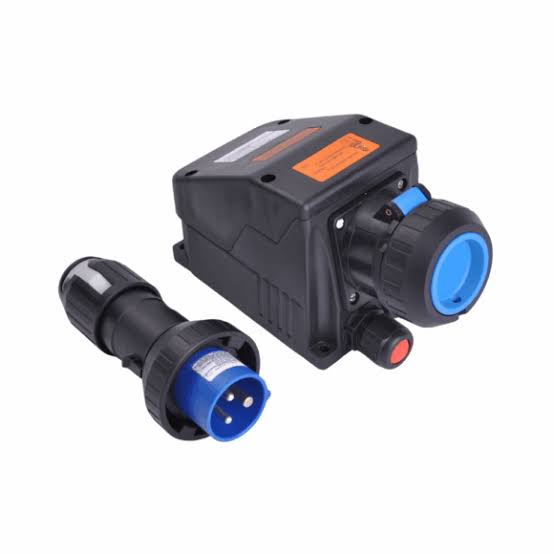
 explosion proof duplex
Industrial facilities often operate in environments where flammable gases, vapors, combustible dust, or other hazardous substances may be present. In these settings, standard electrical receptacles may not provide the protection required for safe and reliable operation. Explosion proof duplex receptacles are designed for applications where electrical equipment must be suitable for hazardous locations.
However, choosing the right receptacle involves more than selecting a heavy-duty electrical outlet. The equipment needs to match the hazardous-area classification, electrical system, environmental conditions, and intended application. Understanding these factors can help facility managers, engineers, and electrical professionals make an informed selection.
What Are Explosion Proof Duplex Receptacles?
Explosion proof duplex receptacles are electrical receptacles designed for use in hazardous industrial environments. A duplex receptacle provides two outlet connections in one unit, while its explosion-proof construction is designed to help contain an internal ignition and prevent it from igniting combustible material surrounding the enclosure.
These receptacles may be used in industries where flammable gases, vapors, or dust can create potential ignition hazards. Common applications include oil and gas facilities, refineries, chemical plants, petrochemical facilities, pharmaceutical manufacturing, and other industrial locations.
The important consideration is that an explosion-proof receptacle is not automatically suitable for every hazardous location. Its certification, ratings, and construction must correspond to the conditions of the installation.
Why Choosing the Right Receptacle Matters
Electrical equipment can potentially produce sparks, arcs, or heat during normal operation or under fault conditions. In an environment containing combustible substances, these sources may create an ignition risk if the equipment is not appropriately designed and certified.
Selecting the right receptacle helps ensure that the electrical connection is appropriate for the surrounding environment and intended application. It can also support dependable operation and reduce the likelihood of problems caused by using equipment that does not meet the site’s requirements.
For this reason, hazardous-area receptacles should be selected based on technical requirements rather than appearance or general industrial durability alone.
1. Identify the Hazardous-Area Classification
The first step when selecting explosion proof duplex receptacles is understanding where the equipment will be installed.
Hazardous locations are classified according to the type and likelihood of combustible gases, vapors, dust, or other materials being present. Depending on the applicable standards and location, hazardous areas may use Class and Division classifications or Zone classifications.
For example, certain facilities may include Zone 1 or Zone 2 areas where flammable gases or vapors could be present under particular operating conditions. Dust-related hazards may require different equipment considerations.
The receptacle should have the appropriate certification and protection for the specific hazardous-area classification. Facility engineers or qualified electrical professionals should confirm the classification before equipment is selected.
2. Check Voltage and Current Requirements
Hazardous-location protection is only one part of the selection process. The receptacle must also be compatible with the electrical system.
Review the following specifications:
- Voltage rating
- Current rating
- Frequency
- Number of poles
- Wiring configuration
- Grounding requirements
- Plug compatibility
The receptacle should be capable of safely handling the electrical load of the equipment that will be connected to it. Choosing a product solely because it has an explosion-proof rating without checking its electrical specifications can lead to an unsuitable installation.
3. Evaluate Construction and Enclosure Protection
Industrial environments can expose electrical equipment to moisture, dust, chemicals, physical impact, and temperature changes. The construction of the receptacle should therefore be appropriate for the conditions at the installation site.
Consider factors such as enclosure material, corrosion resistance, mechanical strength, environmental protection, and resistance to the conditions expected during operation.
For example, facilities exposed to corrosive chemicals or outdoor weather conditions may require equipment with additional environmental protection. Reviewing the manufacturer’s technical specifications can help determine whether a particular receptacle is suitable.
4. Verify Certification and Compliance
Certification is a critical consideration when choosing explosion proof duplex receptacles.
Hazardous-location equipment needs to meet the requirements applicable to its intended location. Depending on the project and region, different standards and certification systems may apply.
Before purchasing a receptacle, verify:
- Hazardous-location certification
- Applicable classification
- Temperature classification, where required
- Electrical ratings
- Applicable standards
- Manufacturer documentation
- Installation requirements
The term “explosion proof” alone should not be treated as proof that a product is suitable for every hazardous environment. Always check the actual certification and technical documentation.
5. Consider the Installation Environment
Every industrial facility has different operating conditions. A receptacle installed inside a chemical processing plant may face different environmental challenges from one installed at an oil and gas facility or an outdoor processing area.
Before selecting a product, consider whether it will be exposed to:
- Moisture or humidity
- Corrosive substances
- Flammable gases or vapors
- Combustible dust
- Extreme temperatures
- Physical impact
- Frequent use
These conditions can influence the enclosure, materials, ratings, and other features required from the receptacle.
6. Review Installation Requirements
Correct installation is just as important as selecting the right equipment. Hazardous-location receptacles should be installed according to the manufacturer’s instructions and applicable electrical requirements.
Factors such as conduit connections, cable entries, sealing, grounding, mounting, and enclosure integrity can affect the overall protection of the installation.
An incorrectly installed receptacle may not provide the protection intended by its design or certification. Installation should therefore be carried out by qualified professionals who understand hazardous-area electrical requirements.
7. Match the Receptacle to the Application
The right receptacle should meet the actual needs of the facility. A duplex configuration can be useful when two electrical connections are required at a single location, but the receptacle still needs to match the equipment and environment.
Before making a final selection, consider:
Application: Determine what equipment will be connected to the receptacle.
Hazard classification: Confirm the type of hazardous material and classification of the area.
Electrical requirements: Check voltage, current, frequency, poles, grounding, and connection requirements.
Environment: Consider moisture, chemicals, dust, temperature, and physical conditions.
Certification: Verify that the product is certified for the intended hazardous location.
Taking these factors into account can make the selection process more straightforward and help avoid unsuitable equipment.
Common Applications of Explosion Proof Duplex Receptacles
Explosion proof duplex receptacles can be used in various industrial environments where electrical equipment needs to be suitable for hazardous locations.
Potential applications include:
- Oil and gas facilities
- Refineries
- Petrochemical plants
- Chemical processing facilities
- Pharmaceutical manufacturing
- Industrial processing areas
- Storage and handling facilities
- Other classified hazardous locations
The exact application depends on the receptacle’s certification, electrical specifications, construction, and the requirements of the installation area.
Final Considerations
Selecting explosion proof duplex receptacles requires careful consideration of several technical factors. Hazardous-area classification, electrical requirements, environmental conditions, certification, and installation requirements all play a role in determining whether a particular receptacle is appropriate.
Instead of selecting a product based only on its general description, review the manufacturer’s technical documentation and match the equipment to the actual conditions of the installation. Where classification or installation requirements are unclear, consult a qualified electrical professional before making a selection.
Explore Explosion Proof Electrical Solutions from FCG
FCG provides electrical solutions for hazardous and industrial environments where safety and reliable performance are important. Its range of hazardous-area electrical products is designed to support applications across industries such as oil and gas, petrochemical, chemical, and other industrial sectors.
If you are evaluating explosion proof duplex receptacles or other electrical equipment for a hazardous location, FCG can help you identify solutions based on your application’s requirements. Contact the FCG team to discuss your project and explore suitable hazardous-area electrical solutions.
FAQs
What are explosion proof duplex receptacles used for?
Explosion proof duplex receptacles are designed for electrical connections in hazardous locations where combustible gases, vapors, or dust may be present. They are used in industrial environments where electrical equipment needs appropriate hazardous-location protection.
How do I choose explosion proof duplex receptacles?
Start by identifying the hazardous-area classification and then review the receptacle’s certification, voltage, current rating, environmental protection, and wiring requirements. The product should be suitable for the specific conditions and electrical system where it will be installed.
Can explosion proof duplex receptacles be used outdoors?
Some models may be suitable for outdoor industrial applications, but this depends on their enclosure, environmental ratings, certification, and installation requirements. Always check the manufacturer’s specifications before using a receptacle outdoors.
Are explosion proof receptacles suitable for every hazardous location?
No. Different hazardous locations have different classifications and requirements. A receptacle must have the appropriate certification and ratings for the specific hazards and conditions present at the installation site.
Why is certification important for explosion proof receptacles?
Certification helps demonstrate whether electrical equipment is suitable for a particular hazardous location and operating environment. The certification should correspond to the area’s classification and applicable standards.
What should be checked before installing an explosion proof receptacle?
Check the hazardous-area classification, voltage and current requirements, certification, environmental conditions, grounding, wiring, and manufacturer’s installation instructions. Installation should be completed by appropriately qualified personnel.