


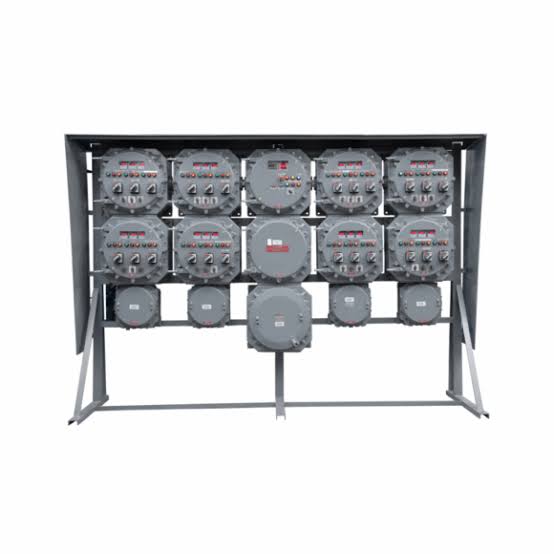
 flame proof electrical panel
In industries where flammable gases, vapours, or dust may be present, electrical equipment must be designed with safety in mind. A flame proof electrical panel helps protect electrical components and surrounding areas from the risks associated with hazardous environments. These panels are commonly used in industries such as oil and gas, petrochemicals, chemicals, pharmaceuticals, and other process industries where explosive atmospheres may occur.
However, not every panel is suitable for every hazardous-area application. Factors such as enclosure construction, protection level, certification, component selection, and environmental conditions can affect its suitability. Understanding the key features can help industries select a panel that meets their operational and safety requirements.
Why Choosing the Right Flame Proof Electrical Panel Matters
Electrical equipment used in hazardous environments must be carefully selected because a small design or installation issue can have serious consequences. A properly specified panel can help provide electrical control and protection while supporting the safety requirements of the surrounding facility.
For industries such as oil and gas, petrochemical, chemical processing, and other hazardous-area applications, working with an experienced manufacturer or supplier can make the specification process easier. The right technical guidance can help ensure that the selected panel matches the area’s classification, electrical requirements, and operating conditions.
Key Features of Flame Proof Electrical Panel
1. Flame Proof Enclosure
One of the most important features of a flame proof electrical panel is its specially designed enclosure. The enclosure is built to contain any internal explosion and prevent flames or hot gases from igniting the surrounding atmosphere.
The construction must provide adequate mechanical strength while maintaining the required flame path and protection characteristics. This is particularly important in locations where flammable gases or vapours may be present during normal operation or under abnormal conditions.
A properly designed enclosure therefore plays a central role in reducing the risk associated with electrical equipment in hazardous areas.
2. Suitable Hazardous-Area Protection
Before selecting a panel, it is important to understand the classification of the area where it will be installed. Hazardous locations can differ based on the type and concentration of flammable substances present and the likelihood of an explosive atmosphere occurring.
A panel should be appropriate for the specific hazardous-area classification and application. Using equipment that does not match the area requirements can create unnecessary safety risks and may result in non-compliance with applicable requirements.
For this reason, the panel’s protection concept and intended application should be evaluated before installation.
3. Certified Components
The safety of the complete panel depends not only on its enclosure but also on the electrical components installed inside it. Components such as circuit breakers, contactors, switches, terminals, relays, and control devices should be selected according to the panel’s intended hazardous-area application.
Where applicable, certified or suitably approved components help ensure that the equipment is designed for the environment in which it will operate.
When evaluating a panel, industries should therefore look beyond the outer enclosure and consider the specifications and approvals of the components used within the assembly.
4. Robust Construction
Industrial electrical panels can be exposed to demanding operating conditions. Mechanical impact, vibration, dust, moisture, temperature variations, and corrosive substances can all affect equipment performance.
A Flame Proof Electrical Panel should therefore have a robust construction suitable for its installation environment. The enclosure material, surface treatment, hardware, cable entries, and other construction details should be selected according to the operating conditions.
For oil and gas and other process industries, this can be particularly important because equipment may be installed in challenging plant environments.
5. Appropriate Cable Entries and Glands
Cable entry is another important consideration when selecting a flame-proof panel. Incorrect or unsuitable cable entries can compromise the overall protection of an electrical installation.
The panel should accommodate appropriate cable glands and entry arrangements for the cables being used. These should be compatible with the panel enclosure, cable type, hazardous-area requirements, and installation conditions.
Proper sealing around cable entries can also help prevent the ingress of dust, moisture, or other contaminants where required by the application.
6. Protection Against Dust and Moisture
Hazardous-area panels may also need protection against environmental factors such as dust and water. The required ingress protection depends on the location and installation conditions.
A suitable enclosure rating can help protect internal electrical components from environmental exposure and support reliable operation. However, the required level of protection should always be determined based on the actual installation environment rather than simply choosing the highest possible rating.
This is why environmental conditions should be considered alongside hazardous-area requirements when specifying a panel.
7. Reliable Electrical Components
The purpose of a panel is not only to provide protection but also to perform its electrical and control functions reliably. The selection of internal components should therefore match the required voltage, current, load, switching requirements, and control functions.
Depending on the application, a panel may incorporate protective devices, control equipment, monitoring components, or other electrical devices.
Proper component selection can help reduce operational problems and support consistent performance throughout the equipment’s service life.
8. Thermal Management
Electrical components generate heat during operation. If heat is not adequately managed, excessive temperatures can affect component performance and equipment reliability.
A flame proof electrical panel should therefore be designed with the operating temperature and heat generated by its internal components in mind. Component arrangement, enclosure design, ambient temperature, and the panel’s electrical load can all influence thermal performance.
In hazardous areas, temperature control is particularly important because surface temperatures must remain appropriate for the specific application and surrounding atmosphere.
9. Ease of Inspection and Maintenance
Industrial equipment requires regular inspection and maintenance to remain reliable. A flame-proof panel should allow qualified personnel to carry out necessary inspection and maintenance activities without compromising its protective design.
Maintenance requirements can include checking enclosure condition, cable entries, connections, components, and other relevant parts of the installation.
It is important that any opening, repair, replacement, or modification of flame-proof equipment is carried out according to applicable procedures and manufacturer requirements.
10. Compliance With Applicable Standards
Compliance is one of the most important factors when selecting electrical equipment for hazardous areas. The appropriate standards and certification requirements depend on the equipment, installation location, hazardous-area classification, and applicable regulatory framework.
Before purchasing a panel, users should verify its relevant certification, protection concept, technical specifications, and suitability for the intended installation.
Documentation is equally important. Proper technical documentation can help engineers, installers, and maintenance teams understand the equipment’s limitations and installation requirements.
11. Suitability for the Application
There is no single flame proof electrical panel that is ideal for every industrial application. The panel should be selected according to the specific requirements of the facility.
Important factors may include:
- Hazardous-area classification
- Type of flammable substance
- Voltage and current requirements
- Number and type of electrical components
- Ambient temperature
- Environmental exposure
- Cable type and entry requirements
- Required ingress protection
- Applicable certification and standards
- Installation and maintenance requirements
Considering these factors before selection can help industries avoid unsuitable equipment and create a safer, more reliable electrical installation.
Choose the Right Panel for Your Application
A flame proof electrical panel should be evaluated based on more than its enclosure. Certification, hazardous-area suitability, component quality, cable entries, environmental protection, thermal performance, and application requirements all play an important role.
FCGEX India provides flame-proof and hazardous-area electrical solutions for industries with demanding safety requirements. Contact the team to discuss your application and identify a suitable panel solution.
FAQs
What is a Flame Proof Electrical Panel?
A flame proof electrical panel is an electrical enclosure designed for use in hazardous environments where flammable gases, vapours, or dust may be present. Its construction helps contain an internal explosion and prevent flames or hot gases from igniting the surrounding atmosphere.
Where are Flame Proof Electrical Panels used?
They are commonly used in hazardous areas across industries such as oil and gas, petrochemicals, chemicals, pharmaceuticals, and process manufacturing. The specific panel should be selected according to the area’s classification and electrical requirements.
What features should I check before selecting a Flame Proof Electrical Panel?
Important features include the enclosure design, hazardous-area certification, certified components, cable entries and glands, ingress protection, thermal performance, construction quality, and compatibility with the required voltage, current, and control functions.
Why is certification important for a Flame Proof Electrical Panel?
Certification helps demonstrate that the equipment has been assessed against applicable requirements for its intended hazardous-area application. Users should verify the relevant certification and technical specifications before installing a panel.