


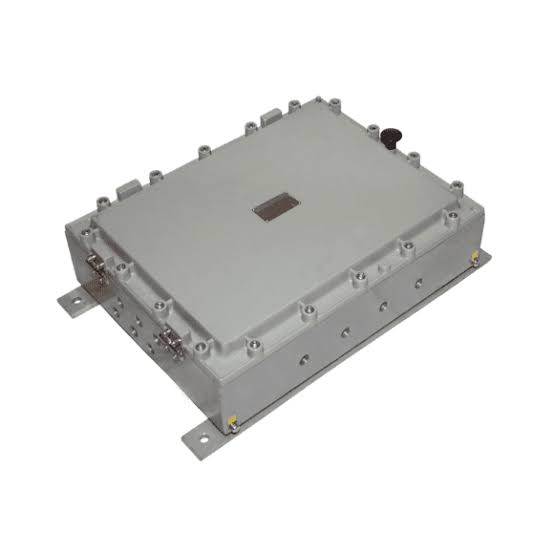
 atex approved
Kuwait’s oil and gas industry doesn’t leave much room for equipment that’s “probably fine.” Between Ahmadi, Shuaiba, and the offshore and onshore processing facilities scattered across the country, flammable gas and vapour are simply part of the daily operating environment. So when a piece of electrical equipment gets labelled ATEX approved, buyers and engineers naturally want to know what actually earns it that label, and what separates genuine certification from a sticker on a panel.
This is a fair question, and honestly, most people in the industry never get a clear answer to it. Let’s fix that.
Starting With the Basics: ATEX Approved
ATEX comes from the EU directive framework covering equipment used in explosive atmospheres. Equipment that’s genuinely ATEX approved has gone through independent testing to prove it won’t become an ignition source, whether that’s from an electrical spark, a hot surface, or an internal fault. It’s not a design philosophy or a marketing claim. It’s a tested, documented, and verifiable technical status.
For Kuwait’s refineries, gas plants, and petrochemical facilities, this matters because the cost of getting it wrong isn’t hypothetical. It’s a real safety and operational risk that regulators and insurers take seriously.
The Core Elements That Make Equipment ATEX Approved
1. Type of protection. Every piece of ATEX approved equipment is built around a specific protection method. Flameproof enclosures (Ex d), for example, are designed to contain an internal explosion and stop it from reaching the surrounding atmosphere. Other methods, like increased safety (Ex e) or intrinsic safety (Ex i), work differently, but the goal is the same: prevent ignition of the surrounding gas or dust.
2. Gas group classification. Not all flammable atmospheres behave the same way. Equipment is tested and rated against specific gas groups (like IIA, IIB, or IIC) based on how easily the gases present can ignite. Using equipment rated for the wrong gas group is one of the more common, and more dangerous, mistakes on hazardous sites.
3. Temperature class. Every piece of ATEX approved equipment carries a maximum surface temperature rating. This has to stay below the ignition temperature of whatever gases or dust are present at the facility. A panel that runs hot under normal load, even slightly, can quietly become a hazard if its temperature class doesn’t match the site conditions.
4. Enclosure design and build quality. For flameproof equipment specifically, things like flange gap, wall thickness, and machining tolerance genuinely determine whether the enclosure will contain an explosion the way it’s supposed to. This is where the difference between a well engineered product and a copied design becomes obvious under inspection.
5. Independent certification and testing. This is the part that actually makes equipment ATEX approved rather than just “designed to be safe.” A notified body or accredited testing lab has to independently verify the equipment meets the relevant standards, and issue a certificate that can be traced and checked.
6. Correct marking. The Ex marking on the equipment isn’t decorative. It communicates the protection type, gas group, temperature class, and equipment protection level in a standardised format that engineers rely on when specifying equipment for a particular zone.
7. Consistency between certified design and manufactured product. A certificate only means something if the product on the shelf actually matches what was tested. This is why working with manufacturers who maintain tight quality control matters so much. Companies like FCG Flameproof Control Gears (India) Pvt Ltd build their control panels and enclosures to stay consistent with their certified design across every unit produced, rather than treating certification as a one time test.
Why This Matters Specifically for Kuwait
Kuwait’s oil sector runs on a mix of ageing infrastructure and new expansion projects, which means facilities are often dealing with a wide variety of equipment ages, standards, and suppliers on the same site. In that kind of environment, knowing exactly what makes something ATEX approved isn’t just a compliance exercise; it’s practical risk management.
This is part of why manufacturers such as FCG Flameproof Control Gears (India) Pvt Ltd have built demand across Gulf markets including Kuwait. Their equipment is engineered specifically for flameproof and weatherproof duty, rather than adapted from general industrial products after the fact.
A Word of Caution for Buyers
It’s worth being direct about this: not every product marketed as compliant has actually been through proper testing. Grey market and counterfeit products do circulate, particularly on cost sensitive projects. If a supplier can’t produce a verifiable certificate that matches the exact model and variant you’re buying, that’s a real reason to pause before ordering.
Sourcing Genuinely ATEX Approved Equipment in Kuwait
If your Kuwait facility needs electrical equipment that’s genuinely ATEX approved, not just labelled that way, FCG Flameproof Control Gears (India) Pvt Ltd can help.
Our team supplies flameproof and weatherproof equipment built for hazardous duty and can walk you through certification documentation, gas group matching, and product selection for your specific zone requirements.
Get in touch and let’s talk about what your site actually needs.
FAQs
It means the equipment has been independently tested and certified to prove it won’t act as an ignition source in an explosive atmosphere, with documentation to back that up.
Yes. While ATEX is a European framework, it’s widely used as a working benchmark across Kuwait’s oil, gas, and petrochemical sectors, especially where international contractors or insurers are involved.
ATEX is the EU directive. IECEx is the international certification scheme built on similar technical principles, and it’s often preferred for projects spanning multiple regions, including the Gulf.
Ex d refers to flameproof protection, where the enclosure is built to contain an internal explosion. Other types, like Ex e or Ex i, prevent ignition through different design approaches such as avoiding sparks or limiting energy.
Ask for the actual test certificate, confirm it matches the exact model and variant on your order, and cross check the certificate number with the issuing body directly.
Different gases ignite under different conditions. Equipment tested for one gas group may not be safe in an atmosphere with a different, more easily ignitable gas present.
Yes. Incorrect installation, wrong cable glands, damage, or unauthorised modification can all compromise a product’s protection, even if it was originally certified correctly.
Very much so. The equipment’s maximum surface temperature needs to stay safely below the ignition temperature of the gases or dust present at the site.
Unfortunately, yes, particularly on price-sensitive projects. Buyers should treat unusually low pricing as a reason to check certification more closely, not less.
FCG Flameproof Control Gears (India) Pvt Ltd supplies flameproof and weatherproof electrical equipment for hazardous area installations across Kuwait. Email sales@fcgexindia.com to discuss your project’s requirements.