


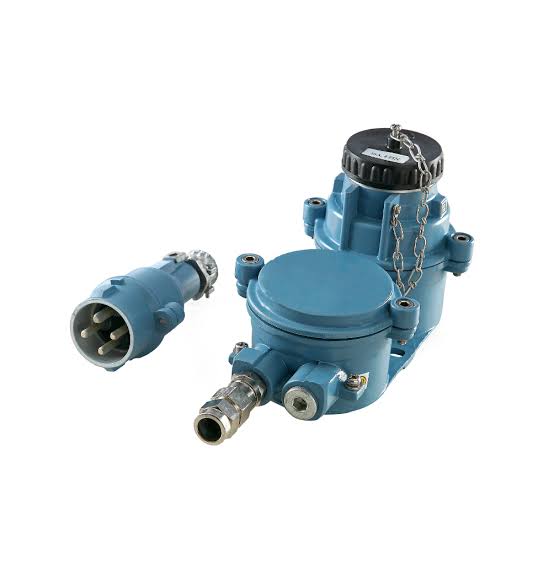
 Explosion Proof Switch
An explosion proof disconnect switch might sound like a mouthful. However, its job is to isolate power flow to equipment in a hazardous area. It comes with a sealed enclosure which holds any internal spark or ignition. This stops flames from reaching the gas or dust outside.
In India, this particular thing is often called a ‘flameproof isolator’ or an ‘Ex d’ switch.
Every plant has equipment that needs safe isolation. Pumps, motors, fans, compressors— all need it way before maintenance. That’s because inside a hazardous area, an ordinary switch can quickly become a source of ignition. As subtle as one small arc, when in contact, can ignite a gas cloud.
That is why the right switch matters. This guide explains how these switches work, and also covers what to check before you buy in Madhya Pradesh.
Explosion Proof Disconnect Switch- A Quick Overview
An Ex d switch is a manual switch that is built inside a certified flameproof enclosure. The switch breaks the supply to a motor or circuit. The enclosure handles the rest.
How does this happen? Well, the switch design assumes gas may enter the enclosure. And if it ignites, the enclosure should have the capacity to withstand the pressure. So, precision-machined joints, also known as ‘flame paths’, cool down the escaping gases. As a result, the flame never reaches the outside atmosphere.
This method is called Ex d. It is covered by IEC 60079-1. India follows it as IS/IEC 60079-1.
Explosion Proof, Flameproof, Isolator: Are They the Same?
Buyers search with different words for similar products. Here is a simple translation.
| Term you may see | Where it is common | What it usually means |
| Explosion proof disconnect switch | North America | Switch in a Class and Division rated enclosure |
| Flameproof isolator | India and the Middle East | Ex d switch rated for Zones |
| Ex d rotary switch | India | Manual ON/OFF or isolation switch |
The real difference lies in the rating system. North American products carry Class and Division labels. They are often described by NEMA types, such as NEMA 7. Indian and international sites use Zones, gas groups and Ex markings.
Where is an Explosion Proof Disconnect Switch Used?
Madhya Pradesh’s industrial areas, or audyogik kshetra, host many hazardous process units. Some of the sites include—
- Pharma and chemical units in Pithampur and the wider Malwa belt
- Engineering and process plants in Mandideep near Bhopal
- Refinery and petrochemical facilities around Bina
- Coal and power operations in the Singrauli belt
- Solvent and fuel storage areas in district towns
A local switch lets maintenance teams cut power at the machine. It also supports lockout and tagging routines.
What Does Madhya Pradesh’s Climate Mean for Your Switch?
Summers in Madhya Pradesh are scorching, and long. Not just that but there’s also a lot of dust flying around during this season.
On the other hand, the monsoon season brings about loads of humidity and downpour.
So, before you decide to buy an explosion proof disconnect switch in Madhya Pradesh, always check the temperature rating on the certificate. Aluminium LM6 suits most inland plants, and stainless steel is great for chemical areas.
The 7-Step Checklist Before You Buy
Buying an ‘Ex d’ switch can get really frustrating, owing to the sheer range of things that you need to take care of. Here is a 7-step checklist to help you with that process—
- Zonal differences: Zone 1 requires a higher protection than Zone 2. Dust areas use Zones 21 and 22.
- Gas group: IIA, IIB and IIC cover easy-to-ignite gases.
- Temperature: The T-class must stay below your gas’s ignition temperature.
- Electrical rating: The voltage, current and poles should match according to the load capacity.
- Fused or non-fused: Fused units add overload and short-circuit protection. Non-fused units only isolate.
- Lockout feature: Look for a handle that locks in the OFF position.
- Material: Pick aluminium, stainless steel or GRP to suit the environment.
Then confirm the certificate. Look for ATEX, IECEx or PESO approval where applicable.
How Do You Read the ‘Ex’ Marking?
The label defines where the switch can be used. Take this example: Ex db IIC T4 Gb.
- Ex db: flameproof protection
- IIC: suits the most easily ignited gas group, including hydrogen
- T4: maximum surface temperature of 135°C
- Gb: suitable for Zone 1
Older labels say Ex d. Newer ones say Ex db. The idea is the same. Compare every part with your area classification. Just remember— even a single mismatch could mean that the switch is unsuitable. So, check every single thing thoroughly before proceeding.
Which Material Should You Choose?
- Aluminium LM6: Corrosion resistant. Lightweight. Suits most onshore plants.
- Stainless steel 304: Has the capacity to handle moderate chemical exposure.
- Stainless steel 316: A lot better choice for marine and harsh chemical areas.
- GRP: Non-corrosive. Resistant to chemicals and UV.
5 Mistakes That Cause Problems
- Using a weatherproof switch in a classified zone. Weatherproof is not explosion proof.
- Ignoring the gas group. An IIB switch cannot protect a hydrogen area.
- Leaving unused cable entries open. Fit certified stopping plugs.
- Painting or scratching flame paths during maintenance.
- Opening the enclosure while energised without a site permit.
What Are the Installation and Maintenance Basics?
The basic thing to do is to closely follow the manufacturer’s manual first. Then follow IEC 60079-14 for installation and IEC 60079-17 for inspection. Your site’s competent person should sign off on the work.
- Use certified glands suited to the cable type
- Check earthing connections
- Inspect gaskets, bolts and flame paths on schedule
- Record every inspection
- Replace damaged parts with approved spares only
How FCG’s Solutions Fit In
Isolation points sit beside the motors and pumps described above. FCG Flameproof Control Gears (India) Pvt. Ltd. covers that need with its Ex d rotary switches. They are listed for Zones 1, 2, 21 and 22. They suit gas groups IIA, IIB and IIC. FCG’s product page names equipment isolation as a use in chemical and petrochemical plants. That fits process units like those in Pithampur.
Material choice follows your site. FCG lists aluminium LM6 for general inland use. It lists SS 304 and SS 316 for chemical areas, and GRP as a non-corrosive option.
A switch rarely works alone. FCG also offers flameproof starters for motor control. It builds customised switch racks and distribution boards and control panels too. Certified glands, stopping plugs and breathers complete the installation.
FCG lists ATEX, IECEx and IS compliance for these products. Need an explosion proof disconnect switch in Madhya Pradesh that sites can depend on? Share your location, zone, gas group and load details. Contact FCG to start.
Frequently Asked Questions
- What is an explosion proof disconnect switch used for?
It isolates power to motors and circuits in hazardous areas. It is basically kept for safe maintenance and emergency shutdown.
- Is a flameproof isolator and an explosion proof disconnect switch the same?
In practice, yes. Both contain an internal ignition. The naming varies on the basis of region. So it’s better to check the rating system.
- Can I use a Zone 1 switch in a Zone 2 area?
Often yes, because Gb equipment meets the Zone 2 requirement. The gas group and T-class must still match your site.
- Do I need PESO approval in Madhya Pradesh?
PESO rules apply across India. If your region comes under the Petroleum Rules, 2002, then yes. Rule 106 requires approval from the Chief Controller of Explosives.
- Can I open an Ex d switch while it is live?
No. De-energise it and follow your permit system. Always follow the manufacturer’s man