


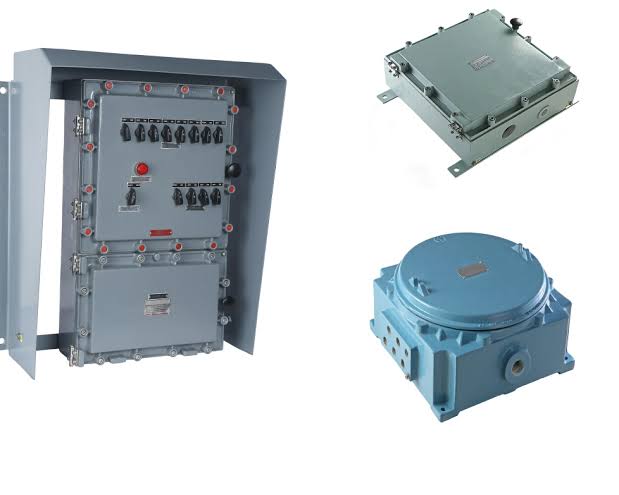
 atex certified
If you’re sourcing electrical equipment for a refinery, gas plant, or petrochemical site in Saudi Arabia, you’ve probably run into the same problem more than once. Every supplier claims their gear is ATEX certified flameproof equipment. Most of the datasheets look identical. And yet, when something eventually gets inspected or audited, not everything that was sold as compliant actually holds up.
This is exactly where a lot of buyers get caught out. Certification isn’t a marketing word; it’s a technical claim, and it needs to be checked properly before anything gets installed in a hazardous zone. Here’s what that actually looks like in practice.
Importance of ATEX Certified Flameproof Equipment in Saudi Arabia
Saudi Arabia’s industrial landscape- Jubail, Yanbu, Dammam, and the wider Eastern Province- runs almost entirely on operations where flammable gas or vapour is part of daily life. Refineries, gas gathering stations, and petrochemical complexes aren’t places where a “close enough” electrical panel is acceptable. Regulators, insurers, and EPC contractors across the Kingdom increasingly expect facilities to prove that their equipment is genuinely ATEX certified flameproof equipment, not just labelled that way.
This is one of the reasons manufacturers like FCG Flameproof Control Gears (India) Pvt Ltd have built a reputation across Gulf markets. Their equipment is engineered and tested specifically for hazardous duty, rather than being a general industrial product with a certificate stapled on afterward.
What “Certified” Should Actually Mean
A lot of buyers assume that if a product says “Ex” on the housing somewhere, it’s automatically safe to install. That’s not how it works. Genuine ATEX certified flameproof equipment comes with a full paper trail, and if a supplier can’t produce it on request, that alone should raise a flag. Before signing off on anything, here’s what to actually look for.
What Buyers Should Check Before Purchasing: ATEX Certified
1. The Ex marking, in full. This isn’t just a logo. A proper Ex marking includes the protection type (like Ex d for flameproof), the gas group, the temperature class, and the equipment protection level. If any of these are missing or vague on the datasheet, ask directly.
2. The certificate itself, not just a reference number. Ask for the actual test certificate, whether it’s from a notified body under ATEX or an IECEx certification body. A certificate number typed on a brochure means very little if you can’t verify it against the issuing body’s records.
3. Whether the certificate matches the exact model you’re buying. This trips up more buyers than you’d expect. Manufacturers often certify a base model, then sell variants that were never independently tested. Always confirm the certificate covers the specific variant, size, and configuration on your purchase order.
4. The zone and gas group compatibility. A product rated for Zone 2 has no business sitting in a Zone 1 area, no matter how good it looks on paper. Cross check the equipment category against your facility’s hazardous area classification before ordering anything.
5. Build quality and enclosure integrity. Flameproof protection depends on the enclosure containing an internal explosion without letting it escape. That means flange gaps, wall thickness, and machining tolerances actually matter. A cheaply made enclosure with a copied certificate is a real risk in this industry, and it does happen.
6. Cable entry and gland compatibility. Even genuinely certified enclosures lose their rating if paired with the wrong cable glands or improperly sealed entries. Confirm the glands supplied are also certified for the same zone and gas group.
7. Manufacturer track record in hazardous duty environments. There’s a real difference between a company that occasionally makes explosion protected products and one that specialises in it. Suppliers such as FCG Flameproof Control Gears (India) Pvt Ltd focus specifically on flameproof and weatherproof electrical equipment, which tends to show in the consistency of documentation and build quality.
8. After sales support and spares availability. Hazardous area equipment needs periodic inspection and occasional part replacement. Confirm the manufacturer can support that locally in Saudi Arabia or through a regional partner, rather than leaving you stuck waiting on parts from overseas.
A Quick Word on Fakes and Grey Market Products
It’s worth saying plainly: counterfeit and grey market “certified” equipment does circulate in this industry, particularly on price sensitive projects. If a quote seems unusually low compared to everything else on the table, that’s a reason to check the certification more carefully, not less. Genuine testing and certification cost money, and that cost shows up somewhere in the price.
Getting the Right Equipment for Your Site
None of this needs to be complicated once you know what to ask for. The buyers who avoid problems later are the ones who insist on full documentation upfront, verify it against the actual product on order, and work with manufacturers who take hazardous area engineering seriously rather than treating it as an afterthought.
Looking for Verified Flameproof Equipment in Saudi Arabia?
FCG Flameproof Control Gears (India) Pvt Ltd supplies flameproof and weatherproof electrical equipment built for hazardous duty installations across Saudi Arabia and the wider Gulf.
Our team can walk you through certification documentation, zone matching, and product selection so you’re buying equipment that will actually hold up to inspection, not just paperwork that looks good on day one.
Get in touch and let’s talk about what your site actually needs.
FAQs
It means the equipment has been independently tested and certified against ATEX requirements for use in explosive atmospheres, with documentation to prove it, not just a marking on the housing.
ATEX is a European framework, but it’s widely referenced across Saudi industrial projects, especially those involving international EPC contractors, insurers, or multinational operators who use it as a working standard.
ATEX is the EU directive. IECEx is the international scheme built on comparable technical requirements. Many manufacturers hold both, and IECEx tends to carry strong recognition across Gulf markets including Saudi Arabia.
Request the certificate number and cross check it directly with the issuing notified body or IECEx certification body’s public database, rather than relying on the number printed in a brochure.
Yes. Flameproof protection depends on correct cable glands, proper sealing, and following the installation instructions exactly. A certified enclosure installed incorrectly is no longer genuinely compliant.
Ex d is the protection code for flameproof enclosures. It means the enclosure is designed to contain an internal explosion and prevent flame or hot gases from escaping into the surrounding atmosphere.
Genuine testing, certification, and quality manufacturing all add cost. Unusually low prices are often a sign that certification, build quality, or both have been cut corners on somewhere.
Yes, significantly. The temperature class indicates the maximum surface temperature the equipment can reach, which needs to stay below the ignition temperature of the gases present at your site.